Edit Template

Custom API Development Services for Connected Digital Solutions

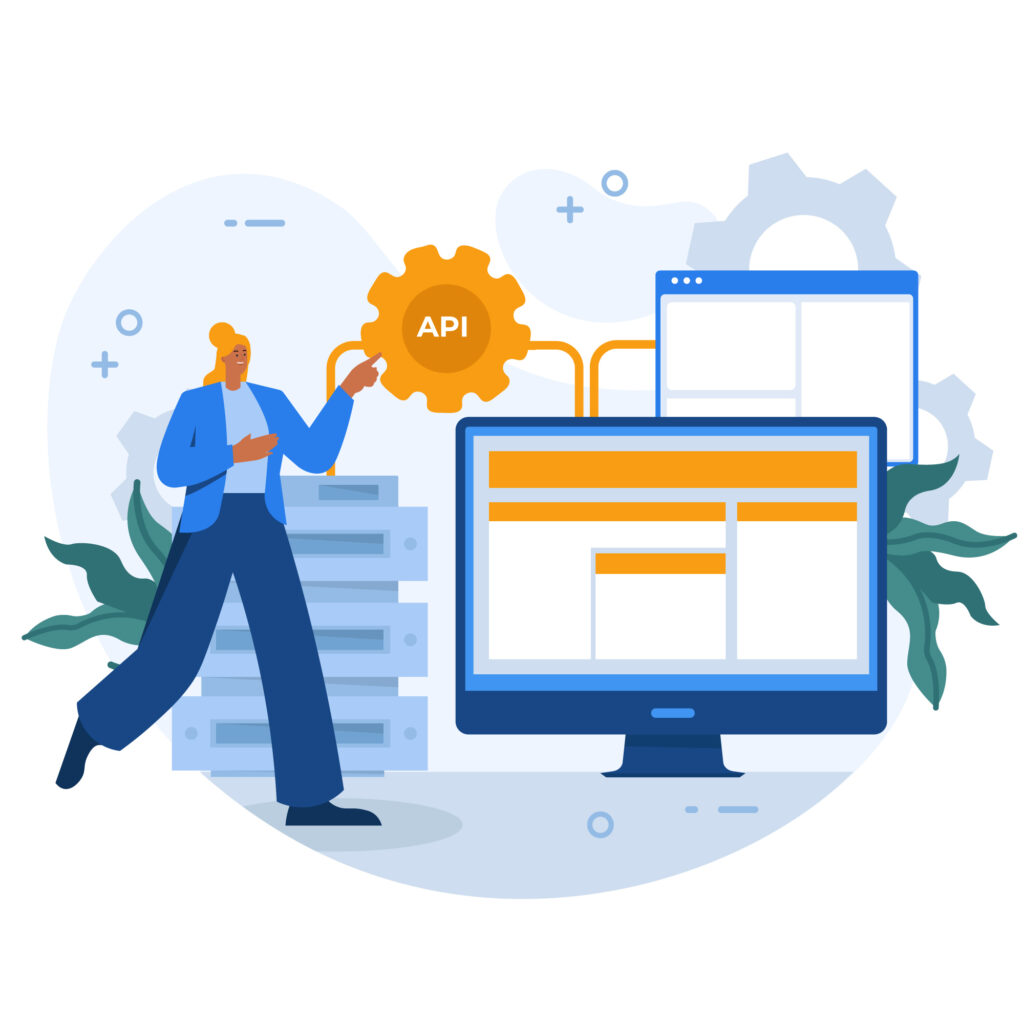
Custom API Development Services help businesses connect applications, databases, and third-party platforms through secure and scalable APIs.

Custom API Development Services for Connected
Digital Experiences

Our custom API development services help modernize your digital infrastructure with flexible, scalable, and high-performance integrations. We build API solutions around your business goals, enabling seamless system connectivity, faster data exchange, and efficient workflows. The result is a streamlined, reliable architecture designed to support innovation and long-term growth.


End-to-End API Integration and Development

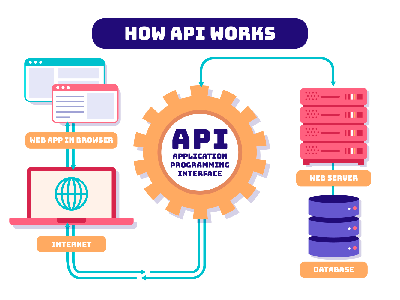
API integration connecting applications, databases, and cloud platforms

Our Custom API Development Services include API planning, development, integration, testing, and maintenance based on project requirements.

API integration enables different software applications to communicate and exchange information efficiently. Our API development and integration services help businesses connect existing systems, improve operational workflows, and support digital transformation.

We work on API planning, architecture, development, third-party integration, testing, deployment, and maintenance. Each solution is tailored to the systems involved, required functionality, performance needs, and security considerations.

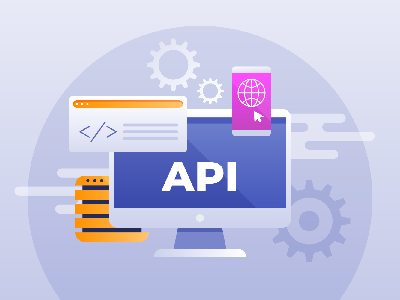
Custom API development services connecting applications and business systems

Our Custom API Development Services

Our Custom API Development Services help organizations build scalable APIs for application connectivity, efficient data exchange, and reliable software integration.

REST API development for application and backend system integration

REST API Development

Develop REST APIs that allow applications and backend systems to exchange data through structured endpoints. We focus on maintainability, performance, and integration requirements.

GraphQL API development for flexible application data queries

GraphQL API Development

Build GraphQL APIs that let applications request specific data through a flexible interface, based on project architecture and data requirements.

Third-party API integration connecting CRM and business applications

Third-Party API Integration

Connect your software with CRM platforms, payment gateways, cloud services, analytics tools, and other external applications.

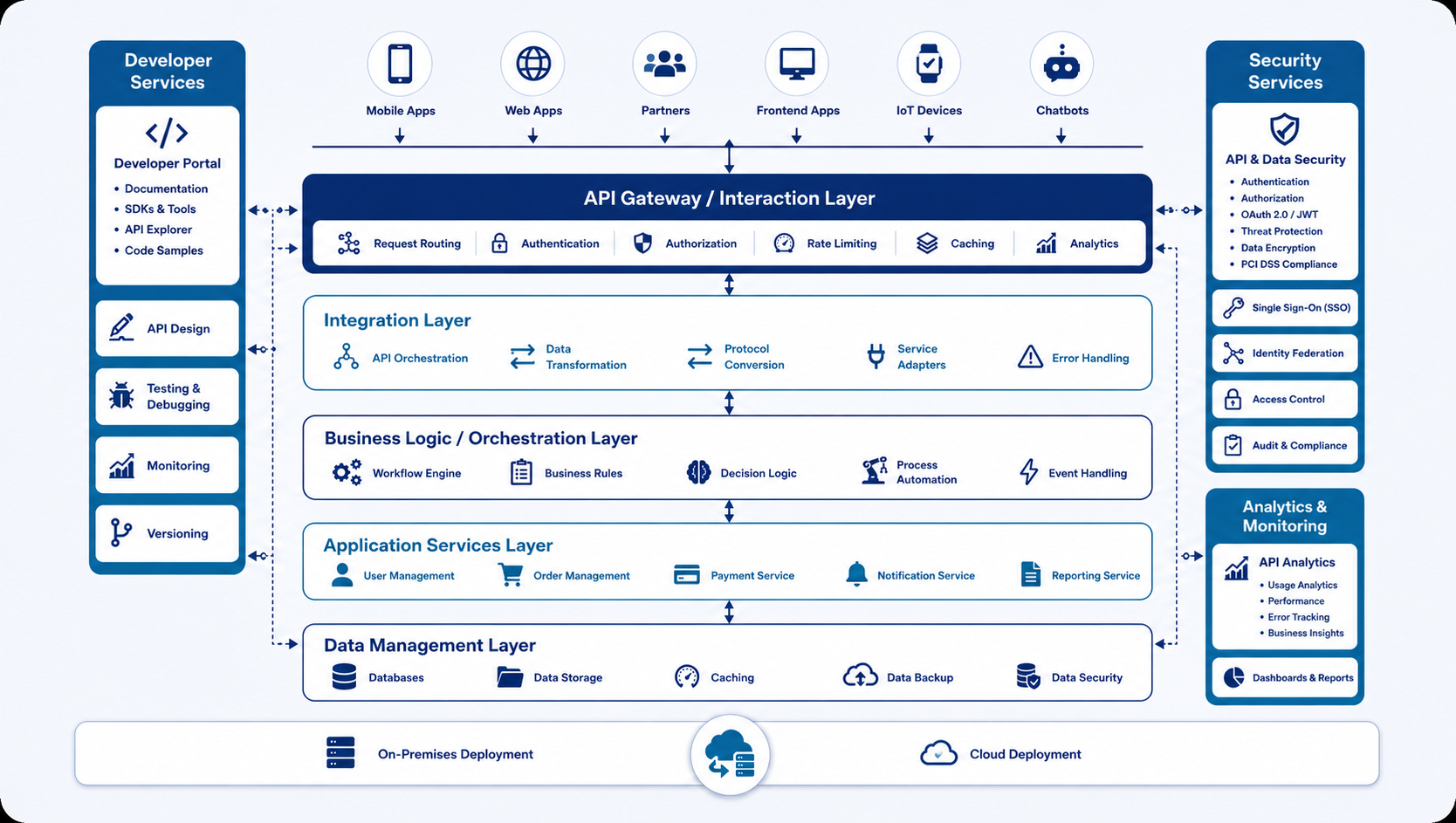
API gateway architecture for request routing and access management

API Gateway Development

Organize API traffic, routing, authentication, and monitoring through a centralized gateway architecture suited to your systems.

Legacy API modernization for software compatibility and performance

Legacy API Modernization

Update existing APIs to improve maintainability, compatibility, performance, and support for evolving business requirements.

Custom API development process from planning to deployment and monitoring

API Testing and Optimization

Evaluate API functionality, response times, error handling, and security controls to identify issues before and after deployment.

Our Full-Cycle API Development Process

Our Custom API Development Services follow a structured process covering requirement analysis, API architecture, development, integration, testing, and deployment.

01. Requirement Analysis
Understand your applications, business workflows, integration requirements, and technical objectives.

02. API Architecture & Planning
Define API structure, endpoints, data flow, authentication, and technology requirements.

03. API Development
Build clean, scalable, and maintainable APIs using suitable technologies and development practices.

04. Integration
Connect APIs with your applications, databases, cloud platforms, and third-party systems.

05. Testing & Security
Test functionality, performance, compatibility, and security before deployment.

06. Deployment & Launch
Deploy the API environment and ensure smooth communication across connected systems.

07. Monitoring & Optimization
Monitor API performance and continuously improve reliability, security, and scalability.


Full-cycle API development process from requirement analysis to deployment and monitoring

Related Articles

Healthcare API solutions connecting medical software and digital health systems

Real-World API Solutions for Healthcare

Our API solutions help healthcare organizations connect applications, streamline data exchange, automate workflows, and improve digital experiences through secure, scalable integrations designed to support evolving technology needs and operational efficiency.
Software development cost estimation based on project scope and technical requirements

Understanding Software Development Costs

Software development costs vary based on project complexity, features, technology, integrations, design, and development time. Understanding these factors helps businesses plan realistic budgets while investing in scalable, secure, and high-performing software solutions.

Build Connected Systems with Custom API Development

Looking to connect applications, modernize existing APIs, or integrate third-party platforms? MindCrawller can help you plan an API solution aligned with your business goals and technical requirements.

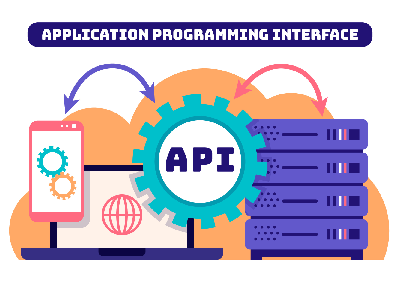
Custom API development connecting applications and third-party platforms

Frequently Asked Questions

What are custom API development services?

Custom API development services involve building interfaces that allow software applications, databases, and external platforms to communicate according to defined requirements.

API development creates or extends an API, while API integration connects systems using existing or newly developed APIs.

REST API development can support structured communication between applications and backend systems, depending on the project’s technical requirements.

Existing APIs can be reviewed, optimized, redesigned, or migrated to modern architectures to improve performance, security, scalability, and maintainability.

API security measures may include authentication, authorization, input validation, encryption, access controls, and monitoring, depending on the implementation.

Â